Choosing a wireless speedometer for your vehicle helps keep eyes on the road while monitoring speed accurately. Modern HUD GPS speedometers deliver clear digital readouts, automatic brightness, and plug‑and‑play setup across a range of vehicles. This guide highlights five top options, explains what to look for, and compares key features to help American drivers find the right balance of visibility, reliability, and ease of use.
| Product | Brand | Key Benefit |
|---|---|---|
| K1-White HUD | KUOWEIHUD | Dual GPS+BDS, 10 Hz refresh, automatic brightness |
| Digital GPS HUD (KUOWEIHUD) | KUOWEIHUD | Plug & play, large font, universal USB fit |
| OBD2 Gauge Display HUD | wiiyii | OBD2 data, multiple interfaces, fatigue/over-speed alerts |
| 5.5″ GPS HUD | SinoTrack | Large display, fatigue alert, dual-scale speed + satellites |
| Universal Car HUD G20 | Docbraces | 3-inch HD screen, compass, plug‑and‑play USB |
Below are five top picks that emphasize accurate speed reading, bright yet comfortable displays, simple installation, and robust compatibility with a broad range of American cars, trucks, and SUVs. Each product section includes a concise overview, a visual reference, and the features that drive performance on the road.
K1-White Heads Up Display for Cars
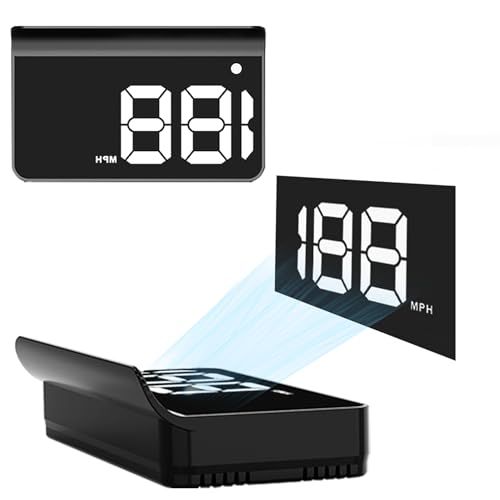
The K1-White HUD from KUOWEIHUD uses dual-mode GPS+BDS signals with a 10 Hz refresh rate for rapid speed data updates. It can receive up to 32 satellites, ensuring stable readings in urban canyons or rural roads. Automatic brightness, driven by a light sensor, keeps the display readable in daylight and comfortable at night. It is designed for easy USB-powered installation across most cars, motorcycles, and trucks, making it a practical option for mixed fleets or daily drivers.
KUOWEIHUD Digital GPS HUD

This digital GPS HUD from KUOWEIHUD emphasizes plug‑and‑play practicality with a large font display for quick recognition. Its strong signal reception relies on GPS+BDS with up to 32 satellites, helping maintain precise speed data whether in city traffic or on open highways. Automatic brightness ensures visibility across daylight and night driving, and USB compatibility supports installation in a wide range of vehicles—from compact sedans to larger trucks.
wiiyii OBD2 Gauge Display HUD
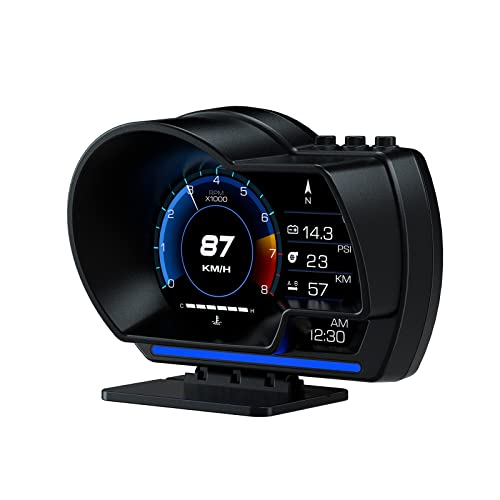
The wiiyii HUD emphasizes safe, distraction-free driving with an OBD2‑based data stream. It supports multiple display interfaces and offers two install methods (dashboard or windshield mounting) with adjustable brackets. The unit provides real-time speed, RPM, water temperature, and alert functions such as speeding warnings. The combination of visible digital numbers and a flexible mounting approach makes it suitable for drivers who want direct data without diverting attention from the road.
SinoTrack 5.5 Inch HUD Display

The SinoTrack 5.5″ HUD uses a large LCD to display MPH, driving time, mileage, and a compass. It includes fatigue driving and overspeed alerts and automatically adjusts brightness via light-sensing technology. The larger 5.5-inch screen improves readability at a glance, which can be valuable for long highway drives. Its dual‑scale design highlights both current speed and satellite status, supporting informed decisions on speed while navigating unfamiliar routes.
Docbraces G20 Car HUD with Compass

The Docbraces G20 HUD offers a 3-inch HD display with plug‑and‑play USB connectivity. It presents essential data such as speed and a compass, and includes a speeding warning feature. The installation process is designed for universal fit across a wide range of vehicles, including cars, trucks, and other motorized modes. The compact size minimizes dashboard intrusion while still delivering clear, readable numbers for quick speed checks during driving.
Buying Guide: Key Purchase Considerations
When choosing a wireless speedometer HUD, consider display size, readability, and brightness control. A larger screen improves legibility from a distance, but may feel bulky in small interiors. Automatic brightness helps maintain visibility without manual adjustments in changing light conditions, which is vital for day and night driving. Look for dual-mode GPS technology (GPS+BDS) for stronger satellite reception and faster data updates, especially in challenging environments.
Ease of installation is another critical factor. USB‑powered units that require minimal wiring and offer plug‑and‑play connections reduce installation time and potential hassles. Compatibility with your vehicle type—cars, trucks, motorcycles, or buses—is essential, as is the ability to mount the display on the dashboard or windshield without obstructing view. Some models also include OBD2 connectivity for additional data streams like RPM, water temperature, and fuel metrics, which can enhance situational awareness.
Additional safety features vary by model. Fatigue or overspeed alerts provide audible or visual warnings that help drivers maintain safe speeds. Large fonts, high contrast, and clear digital readouts contribute to quick recognition at a glance, a key element in reducing distractions. Consider whether you prefer a unit that also provides a compass or satellite status indicators, as these can aid navigation in unfamiliar areas.
Price, warranty, and customer support are practical considerations. Compare build quality, including screen brightness range, ruggedness, and sensor reliability. For fleet use or shared vehicles, a model with consistent software updates and robust customer service can reduce downtime and maintenance costs. Finally, verify that the product uses standard USB power and does not require proprietary adapters, ensuring broad compatibility with contemporary vehicles.
In summary, the best wireless speedometer HUDs balance precise GPS data, readable displays, flexible mounting, and straightforward installation. By evaluating screen size, brightness automation, satellite reception, and alert features, drivers can select a HUD that enhances safety without compromising comfort or convenience on American roads.