Maintaining a clear windshield is crucial for safe winter driving. The right 12V car defroster can rapidly clear frost, fog, and condensation, while also serving as a compact climate control solution. Below are five highly-rated window defroster options that prioritize fast heating, ease of use, and versatile defogging performance. Each product is evaluated on heating speed, safety features, installation simplicity, and overall value for cold-weather traffic in the United States.
| Product | Brand | Key Benefits |
|---|---|---|
| Car Heater, 12V Portable Car Heater that Plugs into Cigarette Lighter, Defroster for Car Windshield | WITIFIG | Fast heating, heating & cooling modes, 180° suction holder |
| Car Heater – 12V 200W Portable Auto Heaters Defroster | Qidoe | Overheat protection, 360° rotatable base, dual modes |
| Portable Car Heater for Vehicle, 12V Car Heater Portable 360° Rotatable | YGQ | Instant heat, defrost/defog, 360° rotation |
| Car Heater, Windshield Defogger and Defroster, 12V 150W | HXYDNBF | 2-in-1 heating & cooling, safety fuse |
| Car Heater, 12V 150W Portable Windshield Defogger | WASAIQI | Heating & cooling with adjustable wind, easy install |
The following sections spotlight five selected products with direct links to their Amazon listings. Each entry includes a concise overview of features and practical considerations to help you compare at a glance.
WITIFIG 12V Fast Defroster With 2-in-1 Heating & Cooling

The WITIFIG car heater plugs into a 12V cigarette lighter and delivers rapid warm air within minutes to defrost or defog your windshield. It features two settings for heating and cooling, helping maintain visibility across winter and summer. A 180° rotate suction holder simplifies placement, keeping airflow directed where needed. This model emphasizes quick-response defrosting while also offering cooling mode for off-season comfort. Safety comes from straightforward operation and a compact form factor that minimizes power drain when the engine is off or idling.
Qidoe 12V 200W Auto Heater Defroster

Qidoe’s 12V car heater offers automatic heating control with overheat protection, delivering quiet, energy-efficient operation. It supports two functional modes—natural airflow and heated airflow—for rapid defrosting or cooling on hot days. The 360° rotatable base provides versatile placement, while double-sided tape or a non-slip mat aids secure mounting. This model focuses on durability and ease of use, ensuring reliable performance in diverse winter driving conditions.
YGQ Portable Car Heater With 360° Rotatable Base
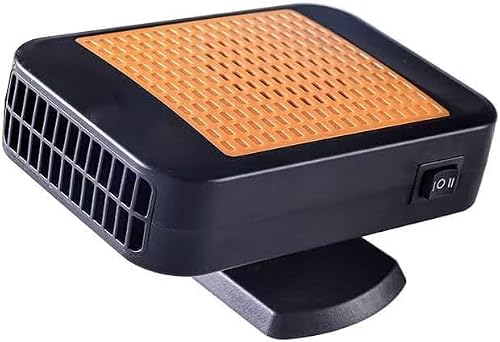
YGQ’s compact 12V heater provides instant heat and doubles as a windshield defroster. Its 360° rotatable base enables targeted airflow, while its portability makes it suitable for use on the dash or console. The dual-function design helps with defrosting and defogging, giving drivers a quick way to improve visibility without turning on the vehicle heater. The device is designed for on-demand warmth in cold mornings and quick clearing of foggy glass during commutes.
HXYDNBF Car Heater With 2-in-1 Heating & Cooling
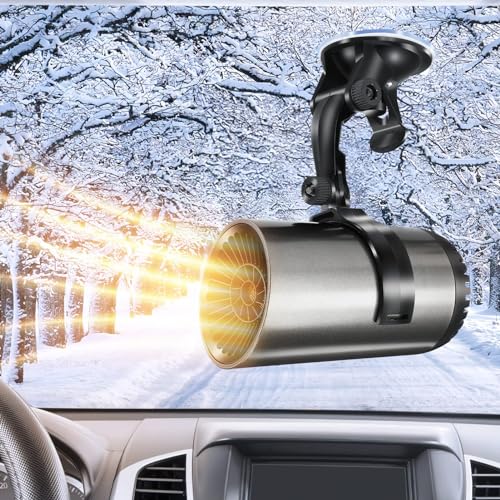
HXYDNBF offers a 12V, 150W portable heater that supports two modes: hot air and cooling airflow. The unit includes a built-in fuse for safety and a cigarette lighter plug. Its base rotates 360 degrees, allowing precise airflow direction to defrost or defog windows efficiently. The product emphasizes safety, energy efficiency, and straightforward installation, making it a practical choice for drivers seeking a reliable 12V defroster in a compact package.
WASAIQI 12V 150W Car Heater With 360° Base

WASAIQI’s heater provides a balanced heating and cooling experience with adjustable wind modes to suit the user’s needs. It is designed for safe, simple installation via cigarette lighter power and a long 1.5-meter power cord for flexible placement. The device’s 360° rotating base enables easy targeting of airflow to defog or defrost windshields, side windows, or rear windows, supporting clear visibility during winter drives.
Buying Guide: Key Purchase Considerations
- Power and compatibility: Most units operate at 12V and range from 100–150W. Verify your vehicle’s lighter socket rating and total draw to avoid battery drain or fuse issues.
- Heating vs. cooling: Look for models that offer both heating and cooling modes for year-round use; this improves value beyond winter defrosting.
- Airflow direction: A 360° rotatable base or adjustable nozzle helps you aim air to fogged windows precisely where needed, reducing defog time.
- Safety features: Automatic power-off, built-in fuses, and overheat protection are important for safe, prolonged use in cold conditions.
- Installation and portability: A straightforward plug-and-play setup with suction cups, double-sided tape, or non-slip mats simplifies mounting and removal for different vehicles.
- Durability and noise: Materials rated for high-temperature operation and compact motors that run quietly improve long-term reliability and comfort.
- Maintenance: Devices with simple cleaning access and minimal moving parts tend to last longer and require less upkeep in winter climates.
Usage Scenarios and Performance Considerations
In severe frost, a high-w power setting with quick warm air can rapidly monetize the time saved during pre-drive preparation. For everyday use, a model with dual modes ensures you can cool the cabin when needed, reducing fatigue from hot interior air. Angle and distance from windows influence defog efficiency; closer proximity accelerates moisture removal from glass. Energy-conscious drivers should monitor draw on the vehicle’s electrical system to avoid battery strain on longer trips.
All five selections prioritize portability, ease of use, and effective defrost/defog performance. When choosing among them, consider where you’ll place the unit, how often you’ll use cooling mode, and whether you prefer a larger base for stability or a smaller form factor for tight dashboards.