Finding effective car sound insulation is essential for a quieter, more comfortable ride. The following products are among the best options for reducing road, engine, and heat transfer in vehicles. This guide selects five standout choices, highlighting their unique benefits and how they compare for DIY installation, durability, and value.
| Product | Brand | Type | Coverage |
|---|---|---|---|
| KILMAT 80 mil 36 sqft | KILMAT | Butyl automotive sound deadening mat | 36 sqft |
| Siless Liner 157 mil (4 mm) 36 sqft | Siless | Closed-cell foil-lined foam deadener | 36 sqft |
| KILMAT 80 mil 10 sqft | KILMAT | Butyl automotive sound deadening mat | 10 sqft |
| Siless 80 mil (2mm) 36 sqft | Siless | Butyl foam deadener | 36 sqft |
| CUKWUYBY 80mil (2mm) 36 sqft | CUKWUYBY | 3-layer car sound deadening mat | 36 sqft |
This article focuses on five products that balance ease of installation with effective noise and heat dampening. Each section below provides a concise overview, key features, and installation notes to help you choose the best option for your vehicle.
KILMAT 80 Mil 36 Sqft: Thick, Self-Adhesive Sound Deadener

KILMAT 80 mil 36 sqft uses a durable butyl and foil compound with a strong self-adhesive backing. The material is designed for DIY installation, offering ease of use and reliable performance. At 80 mil thickness, it provides improved insulation over thinner mats, delivering more noticeable reductions in road and engine noise. The mat’s weight is light for its size, aiding in handling and application. Users can apply it to larger panels or trunk areas for broad noise reduction, and the thicker construction translates into higher potential decoupling of vibrational energy from the vehicle body.
Key considerations:
– Thickness and weight can influence fitment on curved surfaces.
– The adhesive quality supports long-term bonding with proper surface prep.
– Best results come from thorough coverage and overlapping seams to minimize gaps.
Siless Liner 157 Mil (4 Mm) 36 Sqft: Aluminum Foil Finisher
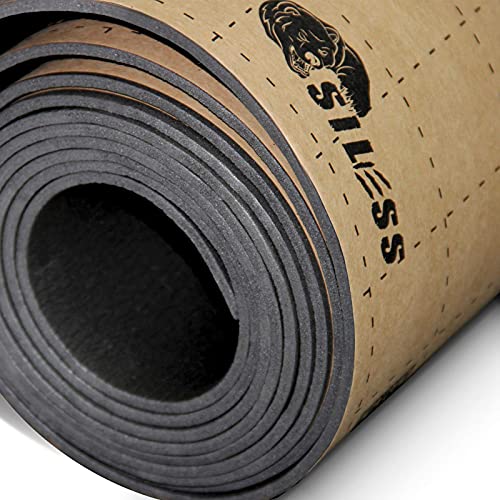
Siless Liner 157 mil (4 mm) combines closed-cell foam with an adhesive layer and an aluminum finish, delivering a robust thermal and acoustic barrier. The closed-cell polyethylene foam is water-resistant and lightweight, making it suitable for areas prone to moisture exposure. The aluminum finish improves heat reflection, helping to minimize radiant heat transfer from the engine and exhaust. This product is particularly effective at keeping cabin temperatures more stable and contributing to a quieter ride by blocking a significant portion of heat-induced and vibrational noise.
Key considerations:
– Aluminum foil finish enhances heat blocking but requires careful cutting to ensure full coverage.
– The material is designed for durability and moisture resistance.
– Ideal for Do-It-Yourself installations where heat and moisture are concerns.
KILMAT 80 Mil 10 Sqft: Compact, High-Performance Pack

This smaller KILMAT pack preserves the same 80 mil butyl/foil construction in a compact footprint for targeted areas or smaller vehicles. It remains user-friendly for DIY installation, with good adhesion and thickness that helps achieve a meaningful reduction in noise with limited surface area. The 10 sqft size is well-suited for doors, trunk panels, or wheel wells where space constraints limit full-sheet coverage.
Key considerations:
– Ideal for spot treatment in tighter spaces.
– Thicker composition yields better performance even in small areas.
– Consistent with KILMAT’s overall approach to strong adhesion and ease of use.
Siless 80 Mil (2 Mm) 36 Sqft: Budget-Friendly Voice Quieting

Siless 80 mil (2 mm) blends a durable butyl-based layer with a lightweight, flexible closed-cell foam core, offering a balance of performance and value. The included formulation emphasizes vibration damping and noise reduction while maintaining affordability. This product line is praised for achieving noticeable reductions in road and engine noise without requiring heavy material or complex installation, making it accessible for first-time installers.
Key considerations:
– Value-driven choice with robust noise reduction capabilities.
– Flexibility aids installation on irregular surfaces.
– Durable block against heat and vibration when properly applied.
CUKWUYBY 80 Mil 36 Sqft: Three-Layer Noise Reduction

CUKWUYBY offers an 80-mil, three-layer construction designed for maximum sound attenuation. The 8-wire aluminum foil layer reflects heat while the butyl rubber core absorbs and blocks vibrations. A strong adhesive backing supports permanent bonding, and the 36 sqft coverage is suitable for larger panels like doors, trunks, or floors. This setup emphasizes both heat reflectivity and vibration dampening, making it a compelling all-around choice for those seeking a balance of performance and ease of use.
Key considerations:
– Three-layer design aims to deliver higher noise reduction per area.
– Strong adhesive backing supports durable, long-term installation.
– Effective across multiple vehicle surfaces with consistent coverage.
Buying Guide: Key Purchase Considerations And Comparisons
When choosing car sound insulation, consider the following factors to determine which product best meets your needs:
- Material composition: Butyl-based mats deliver strong vibration damping, while closed-cell foams provide excellent thermal insulation and moisture resistance. Aluminum or foil layers can improve heat reflection, aiding in cabin cooling and heat management.
- Thickness and coverage: Thicker mats generally deliver greater noise reduction, but coverage area matters more for overall cabin quietness. Prioritize products that offer a practical balance of thickness and feasible installation on your vehicle model.
- Adhesion and surface prep: A strong adhesive backing is crucial for long-lasting performance. Proper surface cleaning, degreasing, and ensuring a clean bonding surface can significantly improve adhesion and reduce peeling over time.
- Installation ease: DIY installations benefit from pre-cut kit options and clear instructions. Smaller sheets or modular pieces help with complex curves and tight spaces.
- Moisture resistance: If you expect exposure to humidity, moisture-resistant foams or closed-cell foams reduce the risk of mold and odor formation in the cabin.
- Heat management: Materials with foil or aluminum finishes tend to reflect heat and contribute to more stable cabin temperatures, especially in hot climates or sun-exposed vehicles.
- Budget and value: Compare not only price but the long-term performance and durability. A higher upfront cost may yield greater longevity and quieter interiors, saving time and effort during replacement or reapplication.
- Vehicle application: Consider the area needing treatment—the doors, floor, trunk, and wheel wells may require different materials or thicknesses for optimal noise reduction.
- DIY vs professional: Some applications may benefit from professional installation, especially on complex door panels or areas near weather seals. For most common needs, high-quality DIY mats provide substantial improvements.
In summary, for broad, all-around quieting, thicker mats with solid adhesion and a heat-reflective layer tend to perform best. For cost-conscious projects or smaller upgrades, thinner but well-placed mats can still deliver meaningful improvements. The five products reviewed here offer a spectrum of options to suit different budgets, vehicle types, and DIY skill levels, all aiming to reduce road, wind, and engine noise while managing heat exposure.