Rooftop tents offer convenient, elevated sleeping space for car camping, providing quick setup, weather protection, and panoramic views. This guide identifies five top options that balance durability, ease of use, and all‑season comfort for travelers with 2–3 occupants. Each listing includes build quality, insulation, and setup speed to help you compare across brands and features.
Summary of chosen products
| Product | Brand | Capacity | Notable Feature |
|---|---|---|---|
| WildFinder Rooftop Tent Hard Shell | WildFinder | 2-3 Person | Aircraft-grade aluminum construction and moisture management system |
| Adventurer Pro Rooftop Tent Hard Shell | HEYFUN | 2-3 Person | 5-second pop-up mechanism with USB outlet and luggage racks |
| Joyinrute Aluminum Rooftop Tent | JOYINRUTE | 2 Person | Winter insulation liner and quick hydraulic setup |
| BAMACAR Naturnest Rooftop Tent | BAMACAR | 2-3 Person | ABS shell with aluminum frame and fast 30s setup |
| Arctwonder Rooftop Tent Hard Shell | ARCTWONDER | 2-3 Person | Winter thermal layer and integrated solar panel option |
WildFinder Rooftop Tent Hard Shell

WildFinder’s hard-shell rooftop tent is designed for Jeep, SUV, truck, or van applications. Its 100% aluminum alloy structure emphasizes durability in fluctuating climates, reducing aging and thermal expansion concerns common with plastic shells. A stainless steel air pressure lever combined with a polyester fabric provides comfort, privacy, and reliable waterproof performance. The recessed marine pad, condensation pad, and a 5 cm non-deforming mattress address humidity and temperature shifts to support a comfortable night’s sleep. The setup is intended for two to three occupants, with a focus on long-term stability during overland trips.
Key considerations include material longevity and weather protection. The aluminum shell offers notable rigidity, while the fabric system contributes blackout capability for better rest. Prospective buyers should verify their vehicle’s roof load rating and ensure compatible mounting hardware for a secure fit on top of their vehicle.
Adventurer Pro Rooftop Tent Hard Shell

HeyFun’s Adventurer Pro combines a durable aluminum hardshell with a 3-layer mattress and YKK zippers for reliable sealing and airflow. The tent accommodates two adults and possibly a child, with internal storage pouches and included ladder. It features a 5-second pop-up dynamic due to hydraulic gas struts, which supports quick deployment and retraction while maintaining stability for year-round use. The design emphasizes UV resistance and moisture management for variable camping environments.
From a buyer’s perspective, the system’s versatility is appealing for families or groups who value speed and security. Prospective buyers should weigh the vehicle’s roof mounting compatibility and the availability of replacement parts for long-term maintenance. Ensure the tent’s weight aligns with the vehicle’s roof load capacity and that the installation kit matches the chosen vehicle model.
Joyinrute Aluminum Rooftop Tent

JOYINRUTE uses high-quality aluminum alloy for the shell and framework, prioritizing load-bearing capability and durability. The tent design includes four hydraulic support rods to enable smooth opening and closing, delivering a convenient user experience. An optional dismountable winter liner enhances insulation, making the unit usable across seasons. The combination of weather protection and all-weather insulation makes this model well-suited for users who camp in cooler climates or at higher elevations where nights can be cold.
Potential buyers should consider seasonal needs, including whether to include the winter liner for extended use. Compatibility with their vehicle’s roof rack system and ladder design will influence ease of access to the tent’s interior. Regular maintenance, such as inspecting seals and zippers, will help preserve comfort and performance over time.
BAMACAR Naturnest Rooftop Tent

The BAMACAR Naturnest offers a universal 2–3 person fit with a robust ABS hard shell and aluminum frame. The tent emphasizes a compact closed profile and an expansive open layout, aided by a 30-second pop-up mechanism. It features three doors with YKK zippers and mesh, designed to improve airflow while maintaining privacy. The shell’s aluminum framework provides strong load-bearing capacity, while the all-weather fabric aims to balance insulation and weather resistance for varied camping conditions.
When evaluating this tent, consider condensation control and how well the breathable fabrics manage humidity. Maintenance guidance suggests letting the tent ventilate after use and ensuring dry conditions before packing away. Prospective buyers should verify the weight distribution and ladder compatibility to maintain safe mounting and egress from the vehicle roof.
Arctwonder Rooftop Tent Hard Shell With Winter Layer
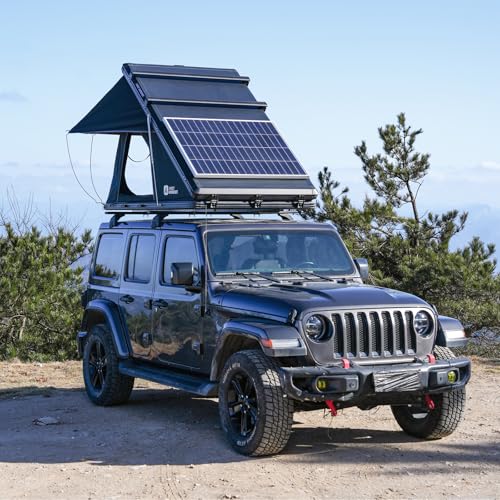
Arctwonder’s hard-shell rooftop tent pairs an aluminum-alloy bottom plate and corners with a winter thermal layer, intended to deliver all-season comfort. The design includes a solar panel option and a 12V outlet to support mobile charging on the road. The weatherproof fabric and integrated solar features address off-grid camping needs, while the robust shell contributes to reliable protection against wind and rain. The tent is positioned for two occupants, with a focus on warmth and independent power supply during extended trips.
Considerations for this model include solar panel compatibility and the reliability of the 12V outlet in remote areas. If solar options are pursued, verify the panel’s output and mounting compatibility with the vehicle’s roof rack. Assessing the overall weight and center of gravity is important for driving stability, especially on uneven terrain.
Buying Guide: Key Purchase Considerations And Comparisons
- Vehicle compatibility and roof load: Confirm whether your vehicle can safely support the tent’s weight plus occupants and gear. Check roof rails or racks and the mounting hardware required for correct installation.
- Shell material and durability: Aluminum hard shells provide rigidity and weather resistance, while ABS shells can reduce weight. Consider long-term wear, impact resistance, and how the shell seals against moisture and dust.
- Insulation and climate readiness: Winter liners and thermal layers improve comfort in cold environments. For hot or humid climates, focus on breathable fabrics, moisture management, and ventilation options.
- Setup speed and ease: Hydraulic or gas-strut assisted pop-up mechanisms simplify deployment, allowing quicker camping setup and more time for activities. Make sure maintenance is straightforward to keep the mechanism reliable.
- Ventilation, privacy, and safety: Look for multiple entry points, mesh panels, and secure lock mechanisms. Ensure that the ladder system provides stable, easy access and that the tent’s height fits your vehicle’s clearance and parking conditions.
- Power options and accessories: Solar panels and 12V outlets can enhance off-grid usability. Check compatibility with portable power banks or battery systems and whether install kits are included or available separately.
- Weatherproofing and condensation control: Recessed pads, condensation management layers, and moisture barriers help control humidity and water vapor inside the tent, preserving comfort and fabric longevity.
- Maintenance and care: Regular drying before storage, ventilating after use, and periodic inspection of seals, zippers, and frame components extend the life of the tent.
In choosing among these five models, users should weigh vehicle compatibility, climate expectations, and how quickly they want to deploy and stow the tent. All listed options emphasize sturdy shells and practical features for 2–3 campers, but differences in insulation, solar readiness, and pop-up speed may steer decisions based on individual camping styles and locations.