When equipping a car hauler, selecting the right ramps is essential for safe, efficient loading of vehicles and equipment. The following ramps are designed to endure heavy use, resist slipping, and provide stable transitions from trailer to ground. This guide highlights five top-rated options, outlining capacity, construction, and key features to help fleet operators, repair shops, and DIYers choose the best ramp system for their needs.
| Product | Brand | Capacity | Length x Width |
|---|---|---|---|
| AUTOSAVER88 84″ x 14″ Aluminum Ramps | AUTOSAVER88 | 6000 lb pair | 84″ x 14″ |
| AUTOSAVER88 72″ x 15″ Aluminum Ramps | AUTOSAVER88 | 6000 lb pair | 72″ x 15″ |
| BestEquip 84×14 Aluminum Ramps | BestEquip | 6000 lb per pair | 84″ x 14″ |
| YITAMOTOR 72″ x 15″ Aluminum Ramps | YITAMOTOR | 6000 lb per pair | 72″ x 15″ |
| Rockland 4 Ton Steel Ramps, 8000 lb Set | Rockland | 8000 lb per set | 35″ L x 13″ W |
Note: The products above are selected for compatibility with car hauler setups, including heavy-duty aluminum and steel options with anti-slip features and secure attachment points. Each option has unique benefits, from corrosion resistance to enhanced footing, making them suitable for frequent loading tasks in automotive, farm, and maintenance environments.
AUTOSAVER88 84×14 Aluminum Ramp Set

These 84-by-14-inch ramps use premium aluminum for a balance of strength and lightweight handling. The 6000-pound capacity per pair supports ATVs, small trucks, and service Equipment with confident weight distribution. Their knife and hook ends provide secure engagement with trailer edges, reducing the risk of ramp dislodgement during loading or unloading. The corrosion-resistant aluminum construction is ideal for outdoor use and repeated cycles, making them a practical choice for frequent haulers and maintenance crews.
AUTOSAVER88 72×15 Aluminum Ramp Set
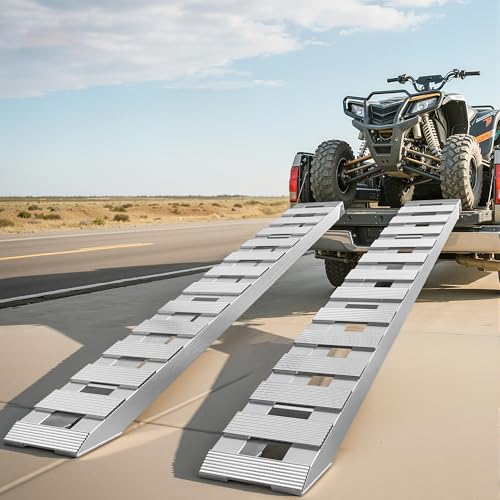
This 72-by-15-inch configuration offers a slightly longer loading surface with the same 6000-pound capacity per pair. Lightweight, corrosion-resistant aluminum, and reinforced crossbars ensure steady weight distribution and durability for regular loading tasks. The hook-ended design helps secure ramps to the trailer rails, while the anti-slip surface supports safer operation in various weather conditions. Suitable for mid-size utility trucks and ATVs, it provides a versatile option for car haulers with limited deck space.
BestEquip 84×14 Aluminum Ramps

BestEquip ramps deliver an all-aluminum construction with a sturdy 6000-pound total capacity when using two ramps. The 84-by-14-inch plates offer ample surface for a wide range of vehicles, with a top hook design for secure trailer attachment and a textured, slip-resistant surface to minimize wheel slippage. The 2.5-inch thickness provides rigidity while maintaining manageable weight for transport and storage. A practical choice for car hauler fleets and homeowners performing routine maintenance.
YITAMOTOR 72×15 Aluminum Ramps

YITAMOTOR’s 72-by-15-inch ramps pair strong aluminum with a secure hook-end system and raised surface texture for non-slip traction. They are designed to manage loads up to 6000 pounds per pair, making them suitable for ATVs, UTVs, and mid-size trucks. The lighter weight compared to steel ramps reduces handling effort, while the robust construction supports frequent use in garages, rental fleets, or service yards. These ramps emphasize reliable engagement and stable transitions during loading and unloading.
Rockland 4 Ton Steel Ramp Set

Rockland’s 4-ton steel ramps offer heavy-duty performance for professionals handling frequent underside access. Each ramp supports up to 2000 pounds, with a pair totaling 4000 pounds and an overall set capacity of 8000 pounds. The steel construction delivers excellent durability for long-term use, with dimensions that accommodate tires up to about 12.5 inches wide and a maximum lift height of around 9 inches. Rubber base stops reduce movement, making them suitable for oil changes and under-car maintenance on larger vehicles.
Buying Guide: Key Considerations For Car Hauler Ramps
- Weight capacity and ramp configuration: Decide between single heavy-duty ramps or paired ramps. For car haulers, a total capacity of at least 6000 pounds per pair is common for most passenger vehicles, while larger trucks may require higher limits or steel construction.
- Material: Aluminum ramps are lighter and corrosion-resistant, ideal for frequent use and outdoor storage. Steel ramps offer maximum durability and load stability, especially in harsh environments or with heavier equipment.
- Length and slope: Longer ramps reduce the loading angle, which improves stability and reduces wheel lift. Shorter ramps are easier to handle but may require steeper angles.
- Attachment and anti-slip features: Look for hook-end designs and texture on the ramp surface. Secure attachment minimizes risk of ramp detachment during loading.
- Durability in weather: High-quality finishes resist rust and wear. For frequent outdoor use, consider ramps with reinforced crossbars and protective coatings.
- Portability and storage: Lightweight aluminum ramps are easier to transport in trucks and trailers. Some models are designed for quick deployment and compact storage.
- Maintenance needs: Steel ramps may require more rust protection over time, while aluminum ramps typically require minimal upkeep.
- Vehicle compatibility: Check tire width and ground clearance ranges. Some ramps accommodate up to 12–13 inch tires, while others handle wider profiles.
- Safety features: Anti-slip textures, edge lips, and locking mechanisms help prevent accidents during loading and unloading.
- Cost of ownership: Balance up-front price with longevity, maintenance, and replacement considerations based on your usage and environment.
Additional Perspectives
For frequent professional use, combining aluminum ramps for daily tasks with a steel backup set can cover a broad range of vehicles and workloads. If your fleet includes heavy trucks or equipment, prioritize higher capacity and reinforced crossbars, even if that means opting for heavier ramps. For home workshops with limited space, consider longer, lighter ramps that can be stored vertically or mounted on a trailer when not in use. Finally, always inspect ramps before each loading task and follow the manufacturer’s loading guidelines to minimize the risk of damage or injury.