Choosing the right plug-in GPS for your vehicle involves balancing real-time location updates, user-friendly apps, ease of installation, and value for money. The following selections cover a range of needs—from covert tracking and harsh-driving alerts to practical navigation enhancements and wireless CarPlay options. This guide highlights five strong options with clear benefits and features, helping you compare performance, setup, and ongoing costs.
Summary of chosen products:
- Optimus Plug-in GPS Tracker for Cars — Easy OBD installation with harsh-driving alerts
- Garmin DriveSmart 76 — Dedicated in-dash navigation with live traffic and voice assist
- Yinnovay Tracking Device for Cars — Ultra-slim, zero monthly fee with Apple Find My integration
- SpyTec Pulse OBD GPS Tracker — Very fast updates, subscription required
- Benbengo OBD GPS Tracker — Real-time, 5-day free trial, teen/driver behavior features
Optimus Plug-in GPS Tracker for Cars

The Optimus tracker provides straightforward OBD port installation for cars and trucks, with optional extension cables and a comprehensive feature set. Location data is shown on a map with address details, speed, and driving history. It supports continuous updates every 30 seconds and offers movement and area-alert notifications via push, email, or texts. A one-year GPS history record is stored, and harsh driving alerts help identify aggressive behavior. This device is designed for iPhone and Android users, accessible from a computer, tablet, or smartphone browser. The plan is flexible with no long-term contract and includes alerts when the tracker is disconnected from the OBD port.
Key considerations:
- Pros: Fast updates, robust alerts, optional extension cable, broad compatibility
- Cons: Monthly fees for extended data are possible; OBD-only requires vehicle access
Garmin DriveSmart 76 Car GPS Navigator
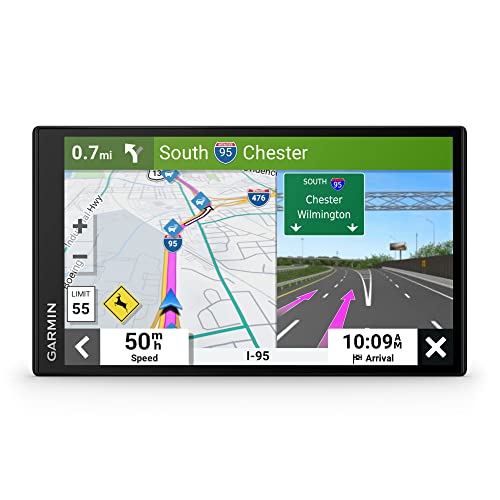
The Garmin DriveSmart 76 is a dedicated 7-inch car navigator featuring North American map updates, live traffic, and weather information. It provides hands-free calling, Garmin Real Directions, and voice assist for easier, safer navigation. It integrates with smart notifications and driver alerts, and includes a rich content ecosystem with a national parks directory and Tripadvisor/Foursquare points of interest. This device emphasizes user-friendly displays and reliable routing, making it a strong choice for daily commuting and road trips.
Key considerations:
- Pros: Standalone navigation, regular map updates, voice assist
- Cons: Not a plug-in tracker; requires power and a vehicle display setup
Yinnovay Tracking Device for Cars
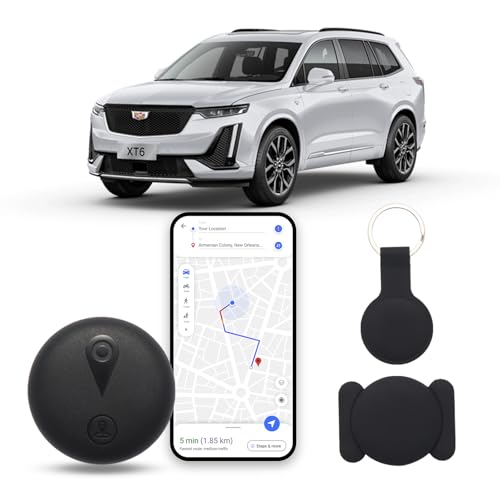
The Yinnovay device is designed as a hidden, ultra-slim GPS tracker with no subscription required. It works with Apple Find My (iOS only) and provides location updates via this network, offering a zero-monthly-fee solution. It weighs only 0.3 ounces and features a compact ABS body with durable construction. The tracker is ideal for discreet placement under the chassis or within interiors, delivering reliable visibility without ongoing costs or setup complexity.
Key considerations:
- Pros: No monthly fees, discreet form factor, works with Find My
- Cons: iOS compatibility only for direct integration; not a traditional telematics platform
SpyTec Pulse OBD GPS Tracker

The SpyTec Pulse OBD GPS Tracker plugs directly into the vehicle’s OBD port, offering very fast update rates—about one second—providing rapid location data and precise movement tracking. It is designed for fleet monitoring and anti-theft scenarios. A subscription is required to enable full features, including real-time updates, ignition alerts, and 24/7 support in multiple languages. This device is well-suited for households and small fleets seeking rapid data and robust feature support.
Key considerations:
- Pros: Extremely fast updates, easy OBD installation, strong fleet capabilities
- Cons: Requires ongoing subscription; professional-grade reliability comes with a cost
Benbengo OBD GPS Tracker for Vehicles

Benbengo offers a plug-and-play OBDII GPS tracker with a 5-day free trial and a one-year data plan option. It provides real-time tracking, speed alerts, driving behavior monitoring, and mileage logging. The device is compact (roughly 1.5 by 1.8 inches) and weighs about 1.2 ounces, designed to blend with vehicle interiors. It targets teen driver protection, fleet management, and general theft protection with a straightforward setup and affordable subscription options after the trial.
Key considerations:
- Pros: Free trial, clear driver-behavior features, compact design
- Cons: Data plans vary by duration; some features may require subscription
Buying Guide: Key Purchase Considerations For Plug-In Car GPS Trackers
When choosing a plug-in GPS device for your car, consider these dimensions to ensure you get the right balance of data, usability, and cost.
-
<li Installation type: OBD plug-in versus hard-wired. OBD devices are usually easier to install and are ideal for renters or temporary use; hard-wired units can offer cleaner integration and less risk of unplugging.
<li Update frequency: If you need rapid tracking, prioritize devices with sub-5-second updates. For general location history, less frequent updates may suffice.
<li Alerts and notifications: Look for geofence, speeding, movement, and disconnection alerts. Determine preferred channels (push, email, SMS).
<li Data retention: Consider how long location history is stored and whether it’s accessible via a web dashboard or mobile app.
<li Subscription model: Many devices require a monthly plan. Compare price points, contract terms, and whether a free trial applies.
<li Privacy and legality: Ensure usage complies with local laws and vehicle ownership rules. Hidden trackers should be used transparently in contexts that permit tracking.
<li Battery and power considerations: Some devices draw power through the OBD port or require a dedicated power supply. Check for any potential drain on vehicle systems.
<li Compatibility: Confirm mobile app compatibility (iOS/Android) and integration with other services (Find My, Apple CarPlay, Android Auto) if applicable.
<li Durability and form factor: For covert placements, favor slim, rugged designs with discreet mounting options.
Overall, the ideal choice depends on whether your primary need is real-time tracking and driver alerts, standalone navigation features, or a broader fleet-management solution. A practical approach is to identify your top three requirements—such as speed alerts, ease of installation, and no monthly fees—and compare devices against those criteria.