Choosing a reliable radiator is essential for maintaining engine temperature and preventing overheating. The following five radiators are among the top-relevant new OE-quality options and high-efficiency designs suitable for mainstream cars. Each entry includes a brief overview of its key features to help you compare options quickly.
| Product | Brand | Model/Info | Key Features |
|---|---|---|---|
| Denso Radiator, New OE Quality – 221-3167 | Denso | 221-3167 | New OE Quality; standard dimensions; solid cooling efficiency |
| Denso Radiator, New OE Quality – 221-9010 | Denso | 221-9010 | New OE Quality; documented package dimensions and weight |
| Denso Radiator, New OE Quality – 221-9268 | Denso | 221-9268 | Superior fin waves for heat transfer; thin-tube design |
| Denso Radiator, New OE Quality – 221-9286 | Denso | 221-9286 | Standard OE-quality dimensions; compact packaging |
| Denso Radiator, New OE Quality – 221-3419 | Denso | 221-3419 | OE quality; no core charge |
Each radiator listed above is designed to fit a range of common vehicle applications and OE replacement standards. When selecting a radiator, consider fitment, cooling efficiency, packaging dimensions, and weight to ensure compatibility with your vehicle and installation space. The following sections offer detailed specifications and practical considerations for comparison.
Denso 221-3167 Radiator

The Denso 221-3167 Radiator is listed as New OE Quality with standard packaging dimensions of 17.78 L x 88.9 H x 68.58 W cm and a package weight around 6.464 kg. This profile suggests compatibility with vehicles requiring a factory-accurate replacement without extra modification. The product emphasizes reliable OE-level performance and straightforward installation, aligning with typical maintenance or repair scenarios where exact fit is a priority.
Denso 221-9010 Radiator

The 221-9010 model is described with New OE Quality standards and provides item package dimensions of 44.49 L x 22.4 W x 7.4 H inches and a package weight of about 22.0 pounds. This data indicates a slightly larger, robust radiator suitable for engines with higher cooling demands or vehicles accommodating a larger cooling core. Installation should follow standard OE guidelines to ensure proper thermal performance and fitment.
Denso 221-9268 Radiator
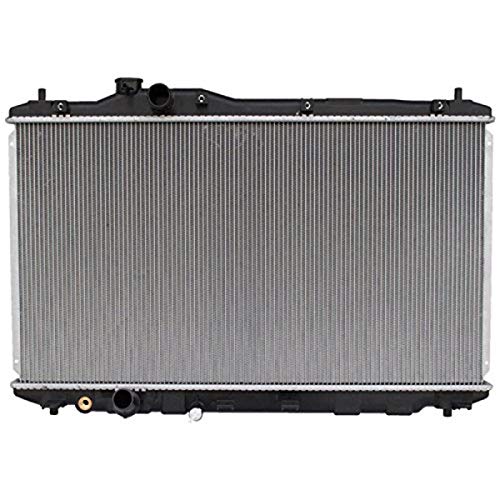
The 221-9268 model focuses on enhanced cooling efficiency through superior fin waves and a thin-tube construction. This design typically improves heat transfer and allows for efficient operation in engines that demand quick heat dissipation while maintaining a compact radiator profile. The OE quality guarantee reinforces suitability as a direct replacement in compatible vehicles.
Denso 221-9286 Radiator

The 221-9286 radiator lists its package dimensions as 34.53 inches long, 25.71 inches high, and 6.5 inches wide. This indicates a sizable yet compact option for many mid-size cars, prioritizing a balanced footprint that can fit in a variety of engine bays. The listing emphasizes OE quality and standard packaging, signaling straightforward replacement compatibility.
Denso 221-3419 Radiator
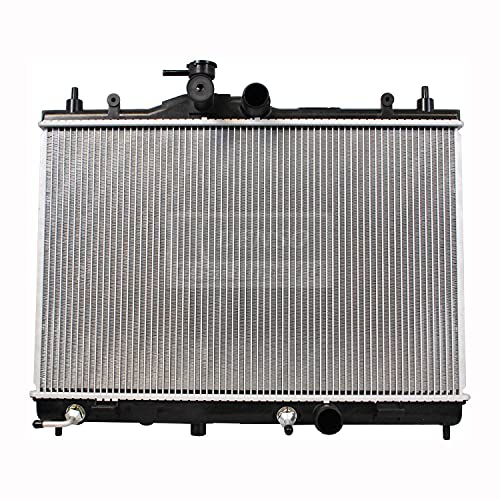
The 221-3419 radiator is described with packaging dimensions of 30.59 L x 6.5 W x 25.71 H inches and notes that it is a single quantity item with no core charge required. This makes it an appealing option for buyers seeking a straightforward OE replacement without additional core-related costs. The feature emphasis on no core charge aligns with simplicity and cost predictability for replacement projects.
Buying Guide
When choosing a new radiator for your car, consider the following factors to ensure you select a model that meets your vehicle’s cooling needs and installation constraints.
- Fitment and OE Compatibility: Verify that the radiator model number matches your vehicle’s exact OEM specification or approved replacement list. Mismatches can lead to improper fit or cooling inefficiency.
- Core Design and Cooling Capacity: Radiators with enhanced fin designs or thin-tube constructions may offer better cooling performance in high-load scenarios. For standard daily driving, OE-quality radiators provide reliable cooling with straightforward compatibility.
- Physical Dimensions and Weight: Compare packaging dimensions and weight to ensure clearances in the engine bay and mounting brackets. Larger radiators may require modifications or different mounting hardware.
- Packaging and Shipping Considerations: Packaging dimensions influence handling during installation and storage. Some listings mention no core charge, which can simplify cost considerations for replacements.
- Warranty and OE Quality Assurance: Favor radiators labeled as New OE Quality with verifiable manufacturer branding, as they typically reflect adherence to factory specifications and materials.
- Installation Context: For vehicles with unique engine bays, verify that the radiator’s inlet/outlet orientation and hose connections align with existing piping. Some radiators include additional hardware, such as caps or overflow components.
- Cost of Ownership: While not listing prices here, assess the long-term value in terms of cooling efficiency, reliability, and ease of installation, rather than upfront price alone.
For consumers focusing on car maintenance, choosing a radiator that matches the original equipment standards helps ensure consistent performance and durability. The five models highlighted here provide OE-quality baselines and a range of design approaches, from traditional cores to more advanced fin and tube configurations. Always confirm fitment with your specific make, model, and year before purchasing.