Discover top car floor insulation options that reduce road noise, block heat, and improve cabin comfort. This guide highlights five reliable products, outlining their materials, thickness, and installation practicality to help you choose the right fit for your vehicle.
| Product | Brand | Thickness / Area | |
|---|---|---|---|
| Siless Liner 157 (4 mm) 36 sqft | Siless | 4 mm / 36 sq ft | Closed-cell PE foam with adhesive |
| WEUPE Sound Deadening Mat | WEUPE | 50 mil / 18 sqft | Butyl sound deadener |
| Siless Liner 157 mil (4 mm) 36 sqft with AluFoil | Siless | 4 mm / 36 sq ft | Closed-cell PE foam with aluminum finish |
| Dynamat Xtreme Tech Pack | Dynamat | 28 sq ft total | Butyl-based sound deadener |
| ALLWIN Car Insulation Mat | ALLWIN | 394 mil / 10.8 sq ft | Aluminum foil finish with closed-cell foam |
The following five products are among the most relevant options for car floor insulation, balancing heat blocking, noise dampening, and ease of installation. Each section below provides a concise overview, installation notes, and the key features derived from the product listings.
Siless Liner 4 mm Car Floor Insulation
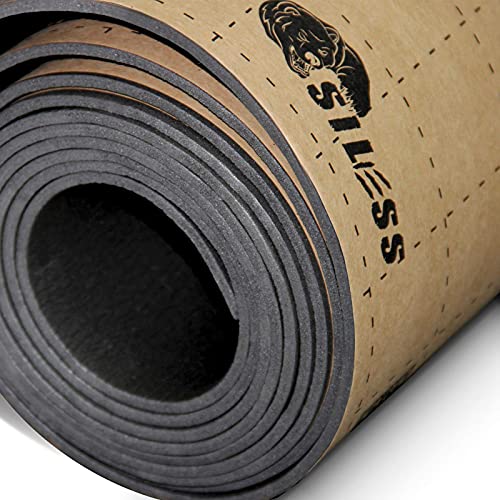
Siless Liner 157 features closed-cell polyethylene foam with an adhesive layer that promotes a strong bond to the car floor. Its closed-cell construction provides waterproofing and excellent thermal insulation, helping to block engine heat, exhaust heat, and seasonal temperatures. The material is lightweight, highly compressible, and easy to install with or without a roller. This option emphasizes value, offering substantial thermal benefits at a lower cost per square foot than similar liners.
WEUPE 50 Mil Sound Deadening Mat

WEUPE offers thicker, heavier material intended to deliver enhanced insulation performance. The 50 mil thickness contributes to higher damping efficiency, with an average weight around 0.7 lbs per square foot. Proper installation is aided by pre-sized sheets and a roller, facilitating coverage and ensuring a consistent bond to the vehicle’s interior surfaces. The product is designed for multiple areas, including trunks, doors, floors, and ceilings, providing versatile dampening capability.
Siless Liner With AluFoil 4 mm

This aluminum-foil finish variant of Siless Liner adds an AluFoil layer to further reflect radiant heat. The same closed-cell polyethylene foam structure provides waterproofing, low odor, and easy handling. The aluminum finish enhances heat reflection for additional thermal protection in hot climates or under hood heat exposure, complementing its 98% radiant heat reduction claim and keeping the cabin cooler in summer and warmer in winter.
Dynamat Xtreme Tech Pack

Dynamat Xtreme Tech Pack focuses on reducing road noise, resonance, and vibrations across floors, doors, panels, hoods, and trunks. The kit includes seven sheet pieces totaling 28 square feet, designed for professional-grade dampening and sound control. Dynamat is a widely used brand among car enthusiasts and professionals due to its efficacy in creating a quieter, cooler interior experience and preserving audio clarity by minimizing vibrations from structural surfaces.
ALLWIN Aluminum Foil Finish Insulation

ALLWIN offers a large 40×40 inch sheet with a 394 mil thickness and aluminium foil finish. The combination of a waterproof, closed-cell foam core and heat-reflective foil provides robust heat insulation and vibration dampening for vulnerable areas like the hood, engine bay, and trunk. The mat is designed to be cut to fit irregular spaces, with a high-temperature working range and moisture resistance to maintain performance under varied driving conditions.
Buying Guide: What to Consider When Choosing Car Floor Insulation
Key performance factors:
- Thermal blocking vs. acoustic dampening: Closed-cell foam materials excel at heat and moisture resistance, while butyl-based dampers focus on reducing sound transmission.
- Thickness and area: Thicker foams and heavier mats typically offer better attenuation but may be harder to fit in tight spaces. Measure floor areas and plan cuts before purchase.
- Adhesion and installation: Some products come with built-in adhesive layers for faster installation; others require contact adhesive and rolling to ensure proper bonding.
- Durability and moisture resistance: Waterproof or moisture-resistant foams are preferable for under-vehicle exposure or areas prone to humidity and wet conditions.
- Heat reflection vs. absorption: Aluminum or foil finishes reflect radiant heat, complementing the insulating core, especially in hot climates or near engine compartments.
- Brand and warranty: Reputable brands with documented noise reduction and thermal performance provide greater confidence for long-term use.
Consider a layered approach if needed: combine a thin aluminum-foil covered liner for radiant heat reflection with a thicker butyl-based dampener for robust sound suppression. For budget-conscious projects, prioritize a dense, adhesive-backed closed-cell foam first, then add additional layers in high-heat zones or where soundproofing is most noticeable.