Finding a GPS that prioritizes truck-specific routing can dramatically reduce delays, minimize legal hassles, and help drivers reach destinations more predictably. The following selections emphasize custom truck routing, load-to-dock guidance, Birdseye satellite imagery, and other industry-focused features designed for commercial fleets and solo truckers alike. Read on to compare five top models and how they align with typical route-planning needs on American highways.
| Product | Brand | Primary Benefit |
|---|---|---|
| Garmin dezl OTR720 | Garmin | Large display, custom routing by truck size/weight, dock/parking alerts |
| Garmin dezl OTR620 | Garmin | Compact, reliable routing with satellite imagery and dock access cues |
| Garmin Dezl OTR500 | Garmin | Load-to-dock guidance and PrePass-style notifications |
| Garmin dezl OTR610 | Garmin | 6″ screen with Birdseye imagery and truck-focused alerts |
| Rand McNally RANDTAB7 | Rand McNally | Industry-first custom trucking routes with real-time considerations |
These options cover a range of screen sizes and feature sets—whether you need a large dashboard view for a sleeper cab or a compact unit for a day cab. Each model supports custom routing based on vehicle dimensions and weight, plus alerts for bridges, weight limits, curves, and other road conditions relevant to commercial trucking. The following sections present five best-fit products, with key specs drawn from manufacturer details and user-oriented features.
Garmin dezl OTR720: Large 7-Inch Truck Navigator
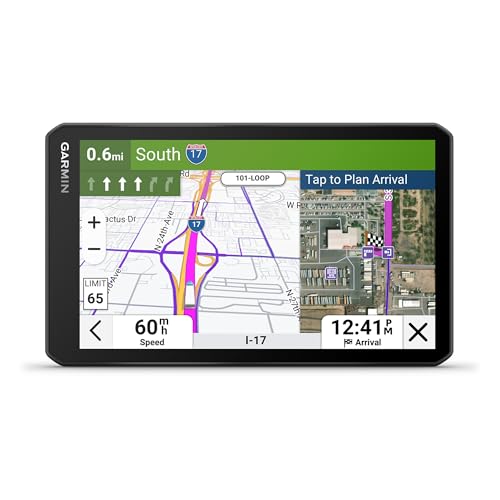
The dezl OTR720 offers a bright 7-inch touchscreen designed for in-cab viewing, with clear visibility in various lighting conditions. It provides custom truck routing based on the truck’s size and weight, though availability can vary by area and drivers should always defer to posted signs and conditions. Alerts include upcoming bridge heights and sharp curves, helping operators plan safer routes. The device also supports loading-dock awareness and security gate interactions, improving arrival precision and gate access.
BirdsEye Direct Satellite Imagery delivers high-resolution overhead views of destinations, aiding pre-trip planning and last-mile positioning. The OTR720 is designed for fleet-style use, combining navigation reliability with specialized truck routing guidance and dock-oriented features that can reduce dwell times at facilities.
Garmin dezl OTR620: 6-Inch Truck Navigator

The dezl OTR620 provides a compact 6-inch display with crisp visuals and clear route guidance. Like larger models in the dezl line, it supports custom truck routing based on vehicle size and weight, though availability may vary by route. The unit includes alerts for bridge heights and sharp curves, which can help prevent in-route interruptions. Dock approaches and gate entries are highlighted to streamline facility arrivals, and BirdsEye Direct Satellite Imagery supports detailed destination previews for efficient planning.
Users benefit from integrated truck-specific advisories while still receiving standard navigation features. This balance makes the OTR620 a practical option for drivers needing dependable routing on shorter routes or in vehicles where space for a larger device is limited.
Garmin dezl OTR500: 5.5-Inch Load-To-Dock Guidance

The dezl OTR500 provides a compact 5.5-inch touchscreen with high readability for in-cab use. It includes built-in PrePass-style notifications that help drivers anticipate weigh stations and bypass options, improving trip efficiency. Custom truck routing is supported, with alerts for upcoming bridge heights and weight limits. As with other dezl models, road signs and conditions should always be considered when choosing a route, since not all areas account for vehicle characteristics in every suggestion.
This device emphasizes dock-to-load guidance, leveraging route- and destination-focused information to minimize downtime at facilities. Its smaller form factor makes it suitable for tighter cab spaces or as a secondary device in a larger fleet setup.
Garmin dezl OTR610: 6-Inch Truck Navigator

The dezl OTR610 delivers a 6-inch display optimized for truck routing, with high-resolution imagery and a straightforward interface. It supports custom truck routing, with caveats that vehicle characteristics may not be fully captured on all route suggestions. Users receive alerts for bridge heights, weight limits, curves, and grades, aiding proactive route planning. BirdsEye Satellite Imagery provides aerial views of loading docks and security gates, improving arrival accuracy and gate access planning at facilities along the chosen route.
For operators who value a balance between a mid-sized screen and specialized trucking features, the OTR610 offers dependable performance with a focus on route screening that accounts for typical trucking constraints and facility access points.
Rand McNally RANDTAB7: 7-Inch Truck Navigator With Custom Routes

The RANDTAB7 focuses on industry-leading custom trucking routes, powered by Rand Road IQ to keep trucks and loads on the right roads. It features Rand Navigation 2.0 with 2025 maps, enabling route customization based on truck dimensions and real-time traffic, weather, fuel price, and speed camera alerts. It includes a broad set of warnings and points of interest, including weigh stations, curves, hills, engine-brake restrictions, parking, and nearby services. This model prioritizes route accuracy and practical on-road decision points for commercial fleets and individual operators alike.
With a robust 7-inch display and an emphasis on route intelligence, RandTAB7 provides a compelling alternative for drivers seeking comprehensive trucking-oriented guidance and a wide array of POIs relevant to long-haul operations.
Buying Guide: What To Consider When Choosing a Truck GPS
- Vehicle compatibility and routing accuracy: Confirm the GPS supports custom routing by your truck’s size and weight, and verify any limitations in your typical operating regions. Availability of vehicle-specific route adjustments varies by product and area.
- Screen size and readability: Larger screens help reduce driver distraction, but must fit within your cockpit layout. Consider glare resistance and touch responsiveness for in-cab use.
- Dock-to-load and facility access: Look for features that highlight loading docks, security gates, and gate timings. These help minimize dwell times at stops and improve scheduling reliability.
- Imagery and planning tools: Birdseye or equivalent satellite imagery can aid pre-trip planning by showing destination layouts and surrounding infrastructure. Ensure the imagery is current and easily accessible.
- Alerts and safety features: Prioritize devices with bridge-height alerts, weight-limit warnings, curve and steep-grade notices, and speed-camera alerts for safer, compliant driving.
- Maps and updates: Free lifetime map updates are valuable for long-term use. Verify update policies and whether updates cover North America-wide routes or require regional subscriptions.
- Integration with fleet workflows: For fleet operators, consider how your GPS integrates with dispatch, telematics, or routing software to streamline operations and data capture.
- Price vs. features: Higher-end models offer more robust imagery and larger displays, but smaller devices may suffice for drivers who need essential truck-routing features without extra costs.
- Warranty and support: Review manufacturer warranties and the availability of customer support, especially for commercial operations where uptime is critical.
When selecting a GPS for truck routes, weight your decision toward devices with proven truck routing, dock-aware guidance, and reliable satellite imagery. Evaluate how well a model aligns with your typical routes, fleet size, and cab configuration. The right choice can improve route reliability, fuel efficiency, and on-time deliveries, while also reducing the complexity of trip planning for drivers and dispatch teams.