When keeping a semi truck up and running, dependable power is essential for maintenance, emergencies, and remote jobs. This guide highlights five top generators and related power products that are well-suited for semi trucks, including dual‑fuel options, quiet operation, and heavy‑duty performance. Each pick is reviewed with essential specs to help fleet owners compare endurance, noise, and compatibility with truck electrical systems.
Summary of chosen products:
| Product | Brand | Key Benefit | Power Type | Approximate Capacity |
|---|---|---|---|---|
| AIVOLT 11250W Gas/Propane Generator | AIVOLT | High power for whole‑truck systems | Gas/Propane dual‑fuel | 11,250W starting / 9,000W running (gas) or 10,570W starting / 8,450W running (propane) |
| WEN DF450i Dual RV‑Ready Inverter | WEN | Quiet, efficient power with auto fuel switching | Gas/Propane dual‑fuel | 4500 surge / 3500 running (gas); 4500 surge / 3150 running (propane) |
| TAOOLP Jump Starter For Semi Trucks | TAOOLP | Heavy‑duty engine starting power | Jump starter | Up to 99L diesel starting capability |
| Ionic 12V Starter Battery (Group 31 LiFePO4) | Ionic Batteries | Lightweight, fast charging, long cycle life | LiFePO4 12V | High cranking power, 3000+ cycles |
| VEVOR Cargo Bar for Securing Loads | VEVOR | Truck bed load stabilization and safety | Accessory | 4 pcs, 89″–104″ adjustable |
Below, you’ll find in‑depth product sections followed by a practical buying guide designed for semi truck operators and fleet managers. Each product section includes a concise overview, key features, and how its design supports truck operation and maintenance needs.
AIVOLT 11250W Gas/Propane Generator
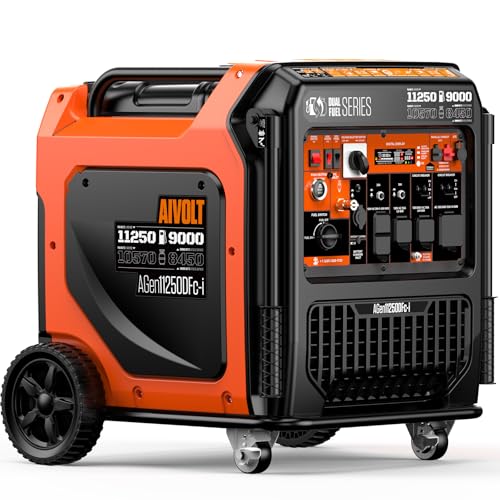
The AIVOLT unit delivers substantial power suitable for whole‑truck electrical systems, with a dual‑fuel design that supports both gasoline and propane. It features a 459cc four‑stroke OHV engine with copper windings for durability and local fuel flexibility during long hauls or storms. An Eco Mode extends runtime beyond 19 hours at light loads, helping fleets manage fuel costs on remote projects and during outages. Its inverter technology provides clean power with <3% THD, safeguarding sensitive electronics like communications gear, tablets, and diagnostic tools.
Key considerations for semi truck use include the remote start option for convenient operation from the cab and the potential for automatic transfer switch (ATS) compatibility to connect to home or fleet electrical systems. The dual‑fuel capability makes it adaptable to varying fuel availability across routes. This generator is well suited for maintenance bays, off‑grid service stops, and backup power for essential systems on semi rigs.
WEN DF450i Super Quiet 4500‑Watt Inverter
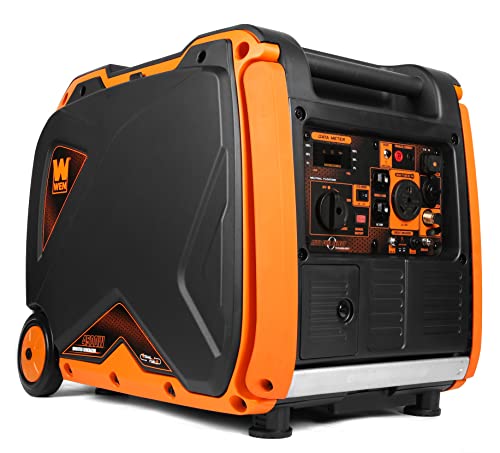
The WEN DF450i is a compact, ultra‑quiet inverter generator designed for RVs, light jobsite use, and backup power. It runs on gasoline or propane, with surge wattage at 4500 and running watts around 3500 (gas) or 3150 (propane). Auto Fuel Selection Technology automatically switches between fuels to maximize run time, a feature valuable for fleet maintenance crews who need power without constantly refueling. The engine is EPA III and CARB compliant and measured at a quiet 58 dBA at quarter load, making it appropriate for sites with noise restrictions or residential neighborhoods along trucking routes.
For semi truck operations, the DF450i offers portable emergency power for repair bays or roadside needs, especially when quiet operation is preferred near customer sites or in truck stops. It supports safe charging and operation of diagnostic equipment, lights, and small tools during field service. While not a full home‑sized backup, its portability and compliance make it highly versatile for fleets prioritizing low noise and straightforward fuel management.
TAOOLP Truck Jump Starter Heavy Duty

This jump starter is designed for heavy‑duty semi trucks and other large diesel engines, delivering peak current sufficient to start engines up to 99L. It is built to withstand extreme weather, with IP65 waterproof and dustproof ratings, ensuring reliability in blizzards, mud, and coastal environments. The unit uses a high‑capacity lithium battery with rapid discharge capability for quick starts and extended ready state, reducing downtime when a truck’s own battery is compromised.
Fleet operators can rely on this jump starter for unscheduled maintenance, field service, or emergency starts when the vehicle’s batteries are drained. Its rugged construction and cold‑weather performance are specifically useful for long hauls through varying climates, helping drivers avoid long delays caused by dead batteries in remote locations.
Ionic 12V Starter Battery (Group 31 LiFePO4)

This 12V LiFePO4 starter battery offers a lighter, more efficient alternative to traditional lead‑acid options. It’s 70% lighter and charges up to five times faster, with a long lifecycle suitable for heavy‑duty diesel fleets. The Group 31 battery is designed to power semis, generators, and other diesel‑powered equipment, providing reliable starting power and steady voltage output. Its maintenance‑free design reduces fleet maintenance needs and can support more consistent performance in cold weather or after extended idling.
VEVOR Cargo Bar For Securing Loads

While not a power unit, a cargo bar is a strategic accessory for semi trucks transporting portable generators or heavy equipment. The VEVOR bar offers a wide adjustable range, quick ratchet adjustment, and a non‑slip design to keep loads secure on bumpy roads. This improves safety and reduces the risk of damage to power equipment during transit, ensuring generators or batteries reach job sites in good condition.
DEF Sticker Labels for Diesel Engines

Diesel Exhaust Fluid (DEF) labeling helps prevent contamination and ensures proper maintenance practices on trucks and trailers. Weather‑proof, highly visible stickers assist drivers and maintenance crews in avoiding cross‑contamination and costly engine issues. DEF labeling is an important safety measure in fleets that rely on diesel engines and aftertreatment systems for compliance and performance.
DEF Sticker Set (6 Labels)

A separate DEF label pack provides multiple labels for larger fleets or multiple storage locations. Like the single DEF sticker, these labels emphasize visibility and durability to safeguard fuel systems and maintain compliance across vehicles and trailers in mixed fleets.
Buying Guide: Key Purchase Considerations For Semi Truck Power
- Power needs and compatibility: Assess whether you need a full‑truck backup generator, portable power for service bays, or auxiliary starting power for cold starts. Dual‑fuel options (gasoline/propane) can improve reliability where fuel availability varies along routes.
- Noise and transfer readiness: For roadside use near rest stops or customer sites, prioritize quiet inverter models and consider ATS compatibility for seamless integration with a vehicle or fleet electrical system.
- Durability and weather resistance: Equipment used in trucking environments should withstand dust, rain, cold, and vibration. Look for rugged enclosures, IP ratings, and heavy‑duty construction (as found in jump starters and LiFePO4 batteries).
- Weight, portability, and space: Semi trucks have limited storage. Lightweight lithium options and compact inverters can reduce weight and free space without sacrificing cranking or running power.
- Maintenance readiness: Hour meters, battery health indicators, and fuel‑quality considerations help fleets schedule maintenance proactively and decrease downtime on the road.
- Fuel strategy and runtime: For long hauls, dual‑fuel technology, fuel efficiency, and extended runtimes will reduce refueling stops and maintenance interruptions.
- Safety and compliance: DEF labeling and proper battery handling reduce risk of contamination and accidents, supporting safer operation across fleets and maintenance crews.
- Cost of ownership: Consider the total cost of ownership, including initial price, fuel consumption, maintenance intervals, and potential bonds or service plans for fleet adoption.