Choosing a reliable gas sensor designed for automotive use helps protect occupants and detect fuel or exhaust leaks early. The following selections cover portable leak detectors, carbon monoxide alarms for travel, and engine-related sensors that support safer driving and maintenance. Each product is evaluated by real-world applicability, sensor type, and ease of use to assist American drivers and travelers in staying informed about ambient and vehicle-related gas levels.
| Product | Type | Key Benefit |
|---|---|---|
| LifeBasis Gas Leak Detector | Portable combustible gas detector | Locates propane/natural gas leaks with real-time LCD readout |
| Pumwry CO Detectors | Portable CO detector | Battery-powered CO monitoring with alerts |
| PRIMBARBER 3-in-1 CO Detector | CO, temp, humidity monitor | Three-function air safety display for travel |
| SDOER 3-in-1 CO Detectors | CO, temp, humidity monitor | Real-time ambient data with LCD and alarms |
| Motorcraft Exhaust Gas Sensor | Vehicle exhaust sensor | Designed for specific vehicle exhaust gas monitoring |
LifeBasis Gas Leak Detector
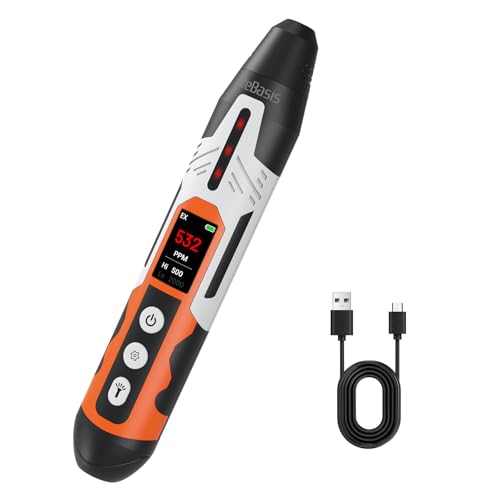
The LifeBasis device is a portable combustible gas leak detector that identifies natural gas, methane, propane, and other fuels. It provides a precise leakage point readout on its LCD display and supports a 0-9,999 ppm range. Alarm thresholds include a high sensitivity band of 50-500 ppm and a low sensitivity band of 500-2,000 ppm. Detection distance ranges from 1-5 cm. Its pocket-sized, anti-slip design makes it convenient for RVs, camping, and DIY projects involving gas appliances. Visual and audible warnings activate within 0.5 seconds when gas concentration crosses the standard level, with the real-time concentration shown in red and a rapidly flashing indicator light and varying buzzer frequencies to signal severity.
Pumwry CO Detectors

The Pumwry carbon monoxide detector is portable and battery-powered, offering easy installation without relying on power outlets. It detects even trace amounts of CO to keep travelers and households secure, including use in cars, RVs, and hotels. A low battery warning system helps ensure continued protection, and its flexible placement makes it suitable for multiple levels of a home as well as travel scenarios.
PRIMBARBER 3-in-1 CO Detector

This 3-in-1 portable carbon monoxide detector provides CO monitoring (0-500 ppm) along with humidity (0-90% RH) and temperature (32°F to 122°F). A newly upgraded 43-hole design improves detection coverage and response. The unit features a 1-second refresh rate for real-time ambient data on a 1.5-inch display. Alarm colors reflect safety thresholds—green for 0-49 ppm, yellow for 50-99 ppm, and red for 100-500 ppm—with audible alerts and customizable alarm settings after power-on. It’s designed for travel, camping, and vehicle use where monitoring air quality matters.
SDOER 3-in-1 Carbon Monoxide Detectors
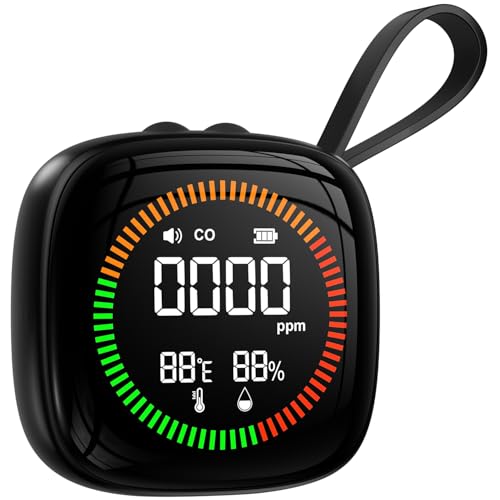
SDOER’s 3-in-1 portable detector tracks carbon monoxide, temperature, and humidity with a high-precision sensor designed for long life. It supports 0-500 ppm CO detection, a temperature range of -10 to 50°C, and humidity from 20% to 85% RH. The device provides real-time monitoring with LCD visual alarms and audible alerts when CO levels exceed 100 ppm. Its compact, durable design includes a portable form factor suitable for vehicles, travel, camping, and homes, ensuring alert readiness in diverse environments.
Motorcraft Exhaust Gas Sensor

The Motorcraft exhaust gas sensor is designed for vehicle-specific fit and durability, manufactured in the United States. It is a component aimed at monitoring exhaust conditions, contributing to safer operation and emissions control. The package height is listed at 8.24 inches, reflecting a sensor intended for integration with compatible Ford, Lincoln, or other specified models depending on the exact part number. This sensor supports reliable emissions-related monitoring and system integrity incars and trucks.
Buying Guide
When choosing a gas sensor for a car, consider the following factors to match your needs:
- Sensor type and application: Portable leak detectors focus on combustible gases, while CO monitors track carbon monoxide in living or traveling spaces. Engine-related sensors (like exhaust and EGR sensors) monitor vehicle systems rather than ambient air for general safety.
- Detection range and response time: Look for ppm ranges relevant to typical leak levels and a quick alarm response to alert occupants promptly.
- Power and installation: Battery-powered devices offer portability and easy setup, while vehicle-installed sensors may require professional installation or alignment with specific vehicle models.
- Display and alerts: A clear LCD or LED readout combined with audible alarms helps ensure prompt recognition of gas levels in various environments.
- Durability and portability: For travel and camping, compact, rugged models are advantageous, whereas car-owner sensors may need weather resistance and dashboard-friendly form factors.
- Compatibility: Ensure devices are compatible with the intended environment—cars, RVs, or home use—and verify any model-specific installation requirements for engine sensors.
- Maintenance: Consider devices with long sensor life, low battery reminders, or built-in self-test features to sustain reliable operation over time.
- Regulatory and safety standards: Look for certifications indicating adherence to safety guidelines, especially for CO detectors used in enclosed spaces or vehicles.
Pros and cons vary by use-case. Portable detectors offer flexibility for on-the-go monitoring of fuel leaks or CO exposure, while vehicle-specific sensors provide integrated safety features aligned with automotive systems. For travelers, a combination of portable CO detectors and small leak detectors can provide comprehensive coverage. Always follow manufacturer instructions for safe operation and replacement intervals to maintain accurate readings.