When planning long trips or days with uncertain fueling opportunities, an extra gas tank can be a practical upgrade. This guide highlights five reliable options that fit a range of vehicles and needs, from universal aluminum fuel cells to portable caddies. Each product is evaluated for capacity, build quality, compatibility, and usability to help you choose the right solution for safer, longer drives.
| Product | Brand | Capacity | Notes |
|---|---|---|---|
| TRQ Gas Tank | TRQ | 18.5 gal | Direct-fit for several popular models; DIY video support. |
| Autoforever 17 Gal Aluminum Tank | AutoForever | 17 gal / 65 L | All-aluminum construction; universal application with level sensor. |
| VEVOR 30 Gallon Fuel Caddy | VEVOR | 30 gal | Portability with wheels and a transfer pump for easy dispensing. |
| Gas Tank for Club Car DS | Jetuplusllc | See listing | Club Car DS compatibility; vented tank option (no sending unit). |
| Capless Gas Tank Funnel | SamWinGear | 2-pack; funnel accessories | Capless fueling aid; reduces spills, compatible with several Ford models. |
TRQ Gas Tank 18.5 Gal – Direct Fit

The TRQ gas tank is designed as a direct-fit replacement that expands driving range for multiple mid-2000s sedans and wagons. It carries a sizable 18.5-gallon capacity, suitable for long highway stretches or remote fuel stops. TRQ emphasizes a robust fit with an extensive compatibility chart and access to DIY installation videos, which can help reduce maintenance time for enthusiasts and professional installers alike. The included resources aim to simplify alignment, mounting, and seal checks, potentially lowering total repair costs over time.
SamWinGear Capless Gas Tank Funnel – 2 Pack

These capless gas tank funnels are Replicas designed to fit capless fueling systems on several Ford models. The twin-pack design provides a spare for quick refueling during long trips or when you have multiple vehicles. The funnel features a snap-on side design to prevent dropping and a durable build that can withstand repeated uses. The product is compatible with various OEM numbers, ensuring broad applicability in practical situations where precise fitment matters for spill prevention.
Autoforever 17 Gallon Aluminum Tank
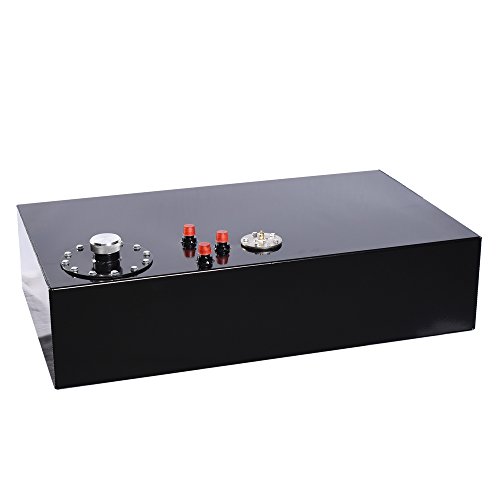
The Autoforever 17-gallon aluminum fuel tank pairs lightweight, corrosion-resistant construction with a level sensor and a quick-release fuel cap. Its universal dimensioning makes it suitable for hot rods, street racing, drifting, and other performance-oriented builds. The aluminum design aids heat dissipation and reduces weight, which can help overall vehicle dynamics in performance contexts. A 65-liter capacity offers a significant reserve without compromising handling on smaller frames.
Gas Tank For Club Car DS

This option targets golf carts, specifically Club Car DS models from 1992 onward, offering a vented fuel tank without a sending unit. While not a traditional automobile tank, its size and design can be relevant for operators seeking extended cautionary fuel capacity for utility tasks or cart-based work fleets. It emphasizes compatibility with classic DS series fittings, ensuring easier integration for owners of older vehicles.
VEVOR 30 Gallon Fuel Caddy

The VEVOR 30-gallon fuel caddy is designed for mobility and rapid dispensing, featuring heavy-duty wheels, a manual transfer pump, and a built-in fill gauge. It accepts gasoline, diesel, or kerosene, making it versatile for auto shops, farms, or remote sites lacking fixed fueling infrastructure. The anti-static ground clamp and lever-style pump aim to reduce discharge risks and streamline fueling operations, which can be a practical solution for on-site fuel management and emergency reserves.
Buying Guide: How to Choose an Extra Gas Tank
- Vehicle compatibility: Check your model year and exact fitment notes. Some tanks are universal, while others are designed for specific makes and models. Confirm with the seller’s compatibility chart or the manufacturer’s fit guide.
- Capacity vs. space: Consider where the tank will be installed and how much extra range you need. Larger tanks add range but may affect weight distribution and handling; smaller tanks save space but offer less range extension.
- Material and durability: Aluminum tanks offer corrosion resistance and lighter weight, while steel tanks prioritize toughness. Consider the environment (salt air, road salt) and maintenance needs.
- Installation and accessories: Look for tanks with mounting hardware, sensors, or caps that suit your setup. DIY videos and technical support can reduce installation time and error risk.
- Safety and compliance: Ensure the tank meets local regulations for fuel storage and transport, especially for on-road use. Check for venting, caps, and anti-static considerations when moving fuel.
- Portability vs. permanence: A fuel caddy provides mobility and on-site fueling, while a fixed auxiliary tank extends range without frequent handling. Choose based on your typical use scenarios.
- Warranty and support: Longer warranties and access to replacement parts indicate better long-term value, particularly for vehicles used in demanding environments.
When selecting an extra gas tank, balance the benefits of extended range with practical installation considerations, fuel type compatibility, and long-term maintenance. For drivers who frequently encounter fuel-scarce routes, a high-capacity, well-supported tank paired with a reliable transfer system can improve reliability and reduce refueling interruptions. Always follow manufacturer installation guidelines and local regulations.
Additional Product Insights
Each listed option serves a different use case. The TRQ tank focuses on direct-fit compatibility for common passenger vehicles, while the Autoforever tank emphasizes universal use and monitoring with a level sensor. The VEVOR fuel caddy offers mobility for on-site fueling, which can be crucial for fleets, farms, or job sites. The Club Car DS tank addresses golf cart applications where extended fuel capability is beneficial for continuous operation. Finally, the SamWinGear funnel complements fueling setups by reducing spills and improving refueling ergonomics, which is valuable in combination with any extra tank system.