Choosing the right bike rack for a truck means balancing capacity, security, and ease of use. The models below cover a range of needs—from heavy electric bikes to standard mountain and fat-tire bikes—while prioritizing stability and simple setup. Each option is designed for 2-inch receivers and accommodates tires up to fat-tire sizes. This guide highlights five strong contenders, outlines key features, and compares how they perform in real-world truck transport scenarios.
Summary Of Selected Products
| Product | Brand | Capacity | Best For |
|---|---|---|---|
| Young Electric E-Bike Rack With Ramp | Young Electric | 200 lbs total | Heavy e-bikes, 2 bikes, ramp loading |
| MaxxHaul 70210 4-Bike Rack | MAXXHAUL | 150 lbs total | Multiple bikes, easy rear access |
| Young 4-Bike Rack Platform Style | Young Electric | 160 lbs total | Four bikes, foldable, easy trunk access |
| Young Bike Rack Hitch for Car | Young Electric | 200 lbs total | Two bikes, fat tires up to 5″ |
| TrailXpert 2-Bike Rack | TRAILXPERT | 160 lbs total | Two bikes, tilting, 5″ tires |
Each product below is selected for trucks and SUVs with 2-inch hitch receivers, emphasizing stability, tire width compatibility up to fat tires, and user-friendly loading and securing mechanisms.
Young Electric E-Bike Rack With Ramp

The Young Electric E-Bike Rack combines a high loading capacity with a user-friendly ramp, enabling two electric bikes up to a total of 200 lbs to be carried securely. It fits 2-inch receivers and supports tires up to 5 inches wide with wheelbases up to 50 inches. A notable feature is the V-groove ramp and patented anti-wobble bolt system, which provides stability and reduces movement during transit. The rack uses a three-point ratchet strap system with padding to minimize scratches on frames. The installation process is straightforward with either the included manual or E-manual.
Key benefits include enhanced grip on e-bikes and a robust connection to the vehicle frame. Its design prioritizes scratch resistance and secure loading, important when transporting heavy, valuable bikes on trucks. As a two-bike carrier, it balances weight distribution while remaining accessible. Overall, it’s a strong choice for truck owners who regularly haul electric or fat-tired bikes and need reliable, stable performance on long trips.
MaxxHaul 70210 4-Bike Rack
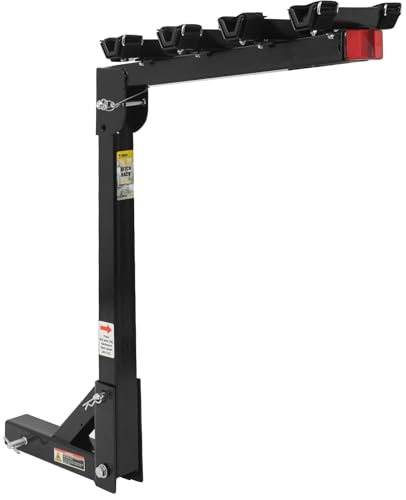
The MaxxHaul 70210 is designed to transport up to four bikes securely with a combined load capacity of 150 lbs. It includes a hitch pin and a safety reflector for enhanced visibility, which is helpful when driving a larger truck. The rack features a swing-down design, facilitating rear access to the vehicle’s cargo area without removing the rack. It’s compatible with a wide range of vehicle types—vans, SUVs, pickup trucks, and sedans equipped with a receiver hitch—and is quick to install, with adjustable hold-down straps to keep bikes firmly in place during transit.
In practice, this rack is ideal for families or teams that need to move a fleet of bikes on a truck. The swing-down function simplifies loading or unloading, while the four-bike capacity maximizes space efficiency. Potential considerations include ensuring adequate clearance around the rear of the vehicle when parked or reversing with the rack deployed. It provides a pragmatic balance of capacity, stability, and ease of use for truck-based transport needs.
Young 4-Bike Rack Platform Style

This platform-style hitch rack from Young Electric is designed to carry four bikes with a total capacity of about 160 lbs. It includes soft padded hooks and a locking hitch pin to protect frames from sway and scratches. The design allows for easy folding and tilting, enabling trunk access without detaching the rack. The setup features rear safety reflectors to improve nighttime visibility, which is advantageous for truck drivers traveling in low-light conditions. The rack is compatible with bikes that range from mountain to road and hybrid styles, accommodating up to 5-inch fat tires and wheelbases around the standard 58 inches.
Pros for truck users include flexible storage for multiple bikes and compact storage when not in use. The tilting feature avoids the hassle of unloading bikes to access the trunk, and soft clamps reduce paint wear. A consideration is the need to verify wheelbase compatibility for unusually long bikes or trailers, but overall this rack offers a balanced blend of capacity, protection, and convenience on a pickup truck platform.
Young Bike Rack Hitch For Car
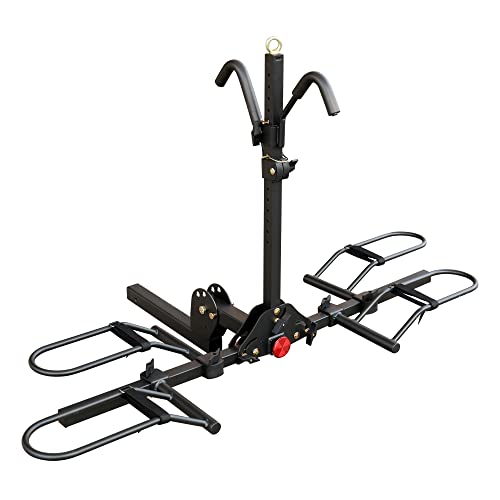
This two-bike rack from Young Electric emphasizes safety and stability for cars and SUVs. It uses soft padded hooks, a wobble-free hitch tightener, and a rear safety reflector to boost night-time visibility. The rack folds up when not in use and tilts down to provide trunk access without removing bikes. It supports up to 200 lbs total and can handle bikes with up to 5-inch fat tires, accommodating wheel sizes from 20″ to 29″ with wheelbases around 58 inches. The universal tire holders and straps add compatibility across various bike types.
For truck enthusiasts who also own passenger cars or SUVs, this model offers a versatile solution with straightforward handling and reliable frame protection. The tilt-down feature is particularly helpful when accessing hatchbacks or truck beds with the rack installed, and the fat-tire compatibility expands transport options for modern electric and fat-tired bikes.
TrailXpert 2-Bike Rack

The TrailXpert 2-Bike Rack is built for durability and convenience, supporting up to 160 lbs with tires up to 5 inches wide. It includes padded clamps, an anti-theft locking pin, and a hitch pin with safety strip to protect bikes during travel. The design also features a tilt-back function and a foldable frame to save space when not in use, making rear access to a truck’s cargo area straightforward. The rack is suited for cars, SUVs, and trucks with 2-inch receivers and supports a mix of e-bikes, fat-tire bikes, and standard mountain or road bikes.
For truck owners who need a reliable, mid-range option with theft deterrence and easy storage, this model delivers solid security and practicality. The combination of tilt-back access and foldable design minimizes the effort required to manage bikes after long trips, while the 5-inch tire limit ensures compatibility with fat tires common on modern e-bikes and mountain bikes.
Buying Guide: Key Purchase Considerations
- Bike type and total load: Electric and heavy fat-tire bikes demand higher total capacity (often 160–200 lbs or more). Choose a rack that meets or exceeds your heaviest expected load.
- Number of bikes: If you regularly transport multiple bikes, consider racks that accommodate three or four bikes or offer expandable configurations while maintaining stability.
- Tire width and wheelbase compatibility: Look for platforms that support tires up to 5 inches wide and wheelbases around 50–58 inches to fit most modern bikes and fat-tire e-bikes.
- Security features: Padded clamps, locking hitch pins, anti-wobble systems, and rear reflectors enhance safety and reduce theft risk during transit.
- Ease of loading and trunk access: Racks with tilting or swing-down designs simplify access to the vehicle’s cargo area without removing bikes.
- Installation and maintenance: Favor models with clear installation instructions, minimal assembly, and materials that resist scratching and corrosion.
- Vehicle compatibility: Most heavy-duty racks require a 2-inch hitch receiver. Confirm receiver size and any potential clearance issues with tailgates, doors, or tailpipes.
- Storage and transport needs: If space is a concern, prioritize foldable racks that can be stored compactly when not in use.
In evaluating these options, consider how often you transport multiple bikes, the typical types of bikes (standard, fat tires, or e-bikes), and the space available in your truck’s bed or rear cargo area. Safety features such as anti-wobble bolts, padded contact points, and secure locking mechanisms should weigh heavily in your decision, especially for long trips or highway travel. While some racks emphasize high capacity for heavy bikes, others prioritize maneuverability and ease of use, so select a model that aligns with your regular hauling scenarios.