If you’re outfitting a pickup bed for long trips, work sites, or remote adventures, a dedicated fuel tank can save trips to the station and keep you moving. This guide highlights five strong options that cover a range of capacities around 30 gallons and larger, with features designed to reduce spill risk, improve durability, and simplify dispensing. Below you’ll find quick product highlights, a concise buying table, and a practical buying guide to help you compare builds, materials, and compatibility with your truck bed.
| Product | Brand | Capacity | Notes |
|---|---|---|---|
| Better Built 36-Gallon | Better Built | 36 gallons | Rectangular steel tank; built-in baffles; spill protection |
| RDS MFG 45 Gallon | RDS MFG INC | 45 gallons | Fully welded seams; top-siphon capability with electric pump |
| VEVOR 30 Gallon Fuel Caddy | VEVOR | 30 gallons | Wheeled caddy; dual-use pump; wide mobility |
| Landrol 58 Gallon | Landrol | 58 gallons | Iron construction; large capacity; rust-resistant finish |
| Aluminum Tank Industries TTR38 | Aluminum Tank Industries | 38 gallons | Fully welded baffles; versatile for various fuels |
Better Built 36-Gallon Rectangular Tank
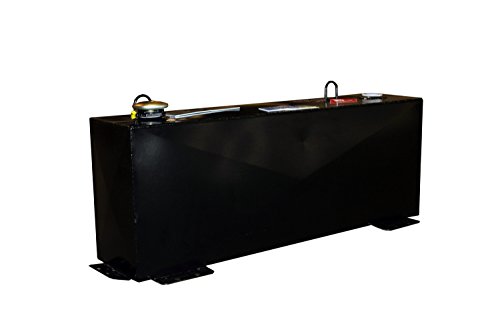
The Better Built 36-Gallon transfer tank is designed for truck beds requiring substantial fuel storage with a focus on durability and spill prevention. Its steel construction provides rigidity for transport under load, while built-in baffles minimize fuel movement during cornering or sudden stops. An overfill restriction offers automatic shutoff at the pump to prevent spills, making it a practical choice where safe dispensing matters most. This model’s sizable capacity fits long trips or rural work zones without frequent refueling stops.
RDS MFG Rectangular Auxiliary/Transfer Tank

The RDS MFG 45-Gallon auxiliary/transfer tank offers a robust solution for gasoline fueling needs, with fully welded seams for durability and a design that supports top-siphon fueling via an electric pump. Its larger capacity suits longer jobs or remote locations where refueling options are scarce. The manufacturer emphasizes a full range of tanks in various capacities to fit different bed sizes, ensuring compatibility with diverse truck setups.
VEVOR 30 Gallon Fuel Caddy

The VEVOR 30 Gallon Fuel Caddy combines mobility with a substantial capacity for on-site fueling. The set includes a two-way rotary pump that supports both dispensing and siphoning, making it versatile for jobs ranging from automotive maintenance to marine use. A heavy-duty wheel design and a ground-clamp system help manage static electricity and improve handling on uneven terrain, while a fill gauge assists with avoiding overfills. This option is well-suited for interim fueling tasks where you need to bring fuel directly to the work zone.
Landrol 58 Gallon Iron Fuel Tank

The Landrol 58 Gallon Iron Tank emphasizes large capacity with a rugged iron construction intended for heavy-duty use in transport and storage. The dimensions are designed to fit typical truck bed layouts, and the electroplated finish helps resist rust while making cleaning manageable. It serves well for long-haul work where maximum fuel storage in a compact footprint is a priority, though weight and balance should be considered in relation to vehicle payload.
Aluminum Tank Industries TTR38

The Aluminum Tank Industries TTR38 provides a 38-gallon rectangular refueling solution with a fully welded baffle system to reduce fuel movement during transport. Its material choice (aluminum) offers corrosion resistance and a lighter footprint compared to steel, making installation in certain bed configurations easier. This tank suits operators who prefer a balance between capacity, weight, and durability for mixed-use fleets.
Buying Guide: Key Considerations For 30-Gallon And Larger Bed Tanks
- Capacity and weight distribution: Higher gallons add weight. Ensure your truck’s payload rating accommodates the tank when full, and place the center of gravity low and centered to avoid handling issues.
- Material and durability: Steel tanks are very robust and good for rugged environments; aluminum tanks save weight and resist corrosion but may require more careful inspection for dents. Iron tanks offer strength but can be heavier.
- Seals, baffles, and spill prevention: Look for welded seams and internal baffles to limit fuel surge during transport. An automatic overfill shutoff reduces spill risk at the pump.
- Dispensing system: Consider whether the tank includes a pump (electric or manual) and a fill gauge. A two-way or dual-use pump can simplify dispensing and siphoning.
- Ventilation and safety: Lockable caps or vents help prevent accidental spills and theft. Ensure compliance with local safety and fuel handling regulations for mobile fuel storage.
- Fitment for bed dimensions: Measure bed width, length, and clearance for tie-downs. Some tanks are designed for standard bed dimensions, while others may require adaptors or mounting kits.
- Fuel compatibility: Ensure the tank is rated for the specific fuels you plan to store (gasoline, diesel, etc.) and for long-term storage if needed.
- Maintenance and cleaning: Choose materials with corrosion resistance and consider ease of cleaning to extend service life, especially for multi-fuel setups.
- Mobility and handling: If you frequently move the tank, a wheeled caddy or a lighter design can significantly reduce effort and improve safety on uneven terrain.
- Warranty and support: Check manufacturer warranties and available replacement parts, such as seals, caps, and pumps, to minimize downtime.